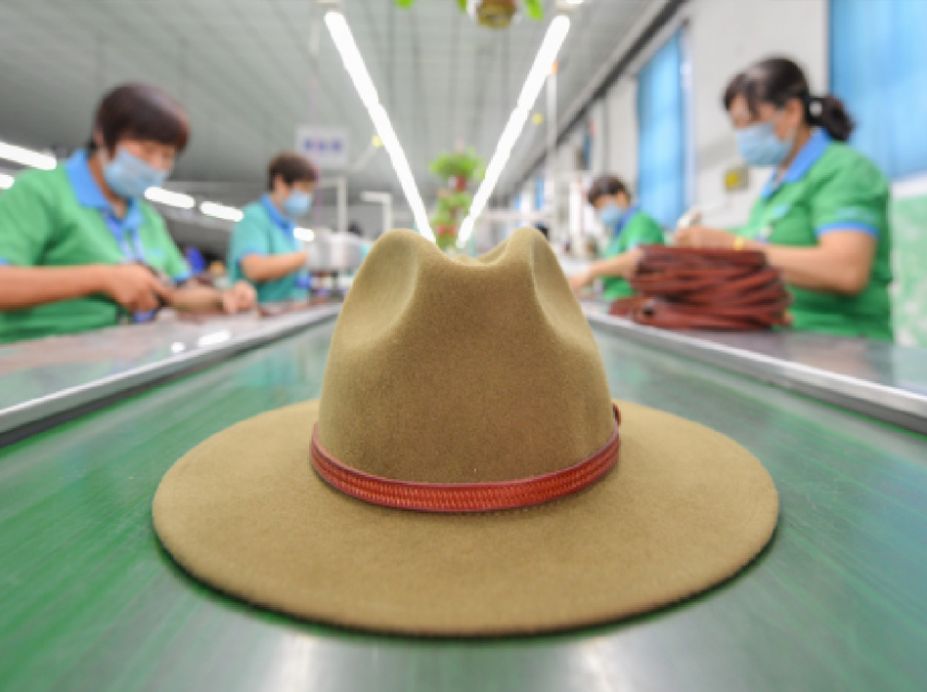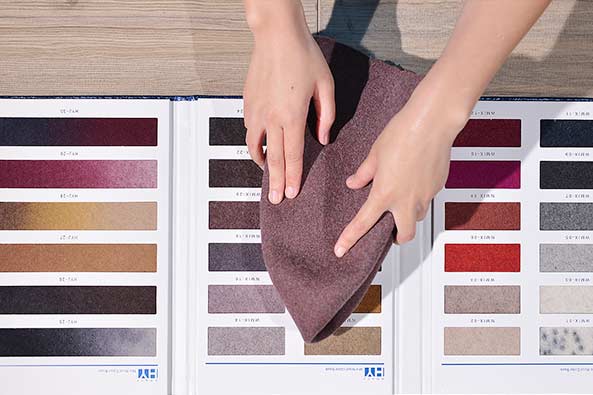
Quality control (QC) is a critical part of hat manufacturing. For B2B buyers, consistent quality affects brand reputation, customer satisfaction, and long-term profitability. A professional hat factory implements quality control throughout the entire production process—from raw materials to final shipment. Below is a practical overview of how quality control typically works in hat factories.

1. Raw Material Inspection (Incoming Quality Control)
Quality control begins before production. Factories inspect all incoming materials such as fabrics, sweatbands, buckram, threads, labels, and accessories. Key checks include:
Fabric defects, color consistency, and weight
Material composition and hand feel
Accessory durability (buckles, snaps, metal parts)
Compliance with buyer requirements
Defective materials are rejected or returned to suppliers to prevent quality issues later in production.
2. Pre-Production Sample Approval
Before mass production, a pre-production (PP) sample is made and approved by the buyer. This sample becomes the reference standard for bulk production. The factory checks:
Stitching quality
Logo placement and accuracy
Hat shape, size, and fit
Material and color matching
No bulk production should start without final sample approval.
3. In-Process Quality Control (IPQC)
During production, factories conduct in-line inspections at key stages to detect problems early. This usually includes:
Cutting Inspection
Pattern accuracy
Fabric defects and cutting precision
Sewing Inspection
Stitch density and seam strength
Panel alignment and symmetry
Loose threads or skipped stitches
Logo and Decoration Inspection
Embroidery quality and thread tension
Printing color accuracy and adhesion
Patch placement and attachment strength
By inspecting during production, factories reduce rework and large-scale defects.
4. Shaping and Finishing Inspection
After sewing, hats are shaped, steamed, or pressed. Quality control at this stage focuses on:
Hat shape consistency
Brim symmetry and stiffness
Crown structure and appearance
Cleaning loose threads and stains
Proper shaping is especially important for structured hats like baseball caps and felt hats.
5. Final Quality Inspection (FQC)
Before packing, finished hats undergo final inspection. This is one of the most important QC steps and typically checks:
Overall appearance and workmanship
Measurements and sizing tolerance
Logo accuracy and color matching
Packaging and labeling requirements
Many factories follow AQL (Acceptable Quality Level) standards or buyer-specific inspection criteria.
6. Packaging Quality Control
Packaging is also part of quality control. Factories check:
Packing method (flat packing or shaped packing)
Polybag and carton quality
Carton markings and shipping labels
Quantity per carton and carton weight
Proper packaging protects hats during shipping and reduces damage claims.
7. Third-Party Inspection (Optional)
Many B2B buyers hire independent inspection companies (such as SGS, BV, or Intertek) to perform pre-shipment inspections. Reliable factories usually welcome third-party inspections and cooperate fully. This adds an extra layer of quality assurance.
8. Documentation and Traceability
Professional factories maintain QC records for each order, including:
Material inspection reports
In-line inspection records
Final inspection results
Production batch tracking
Documentation helps factories trace issues and improve future production.
9. Handling Defects and Corrective Actions
If defects are found, factories should have clear corrective actions, such as:
Reworking defective hats
Sorting and replacing defective pieces
Offering compensation or credit
A reliable factory communicates problems proactively instead of hiding them.
Conclusion
Quality control in hat factories is a continuous process that covers materials, production, finishing, and packaging. For B2B buyers, choosing a factory with a structured QC system reduces risks, ensures consistent quality, and protects brand reputation. A professional manufacturer treats quality control not as a cost, but as a long-term investment in partnership and trust.