
Bulk hat production is a structured process that requires careful coordination between design, materials, manufacturing, and quality control. For B2B buyers such as brands, wholesalers, and distributors, understanding the key steps in bulk hat production helps reduce risks, control costs, and ensure consistent quality. Below is an overview of the main stages involved in large-scale hat manufacturing.
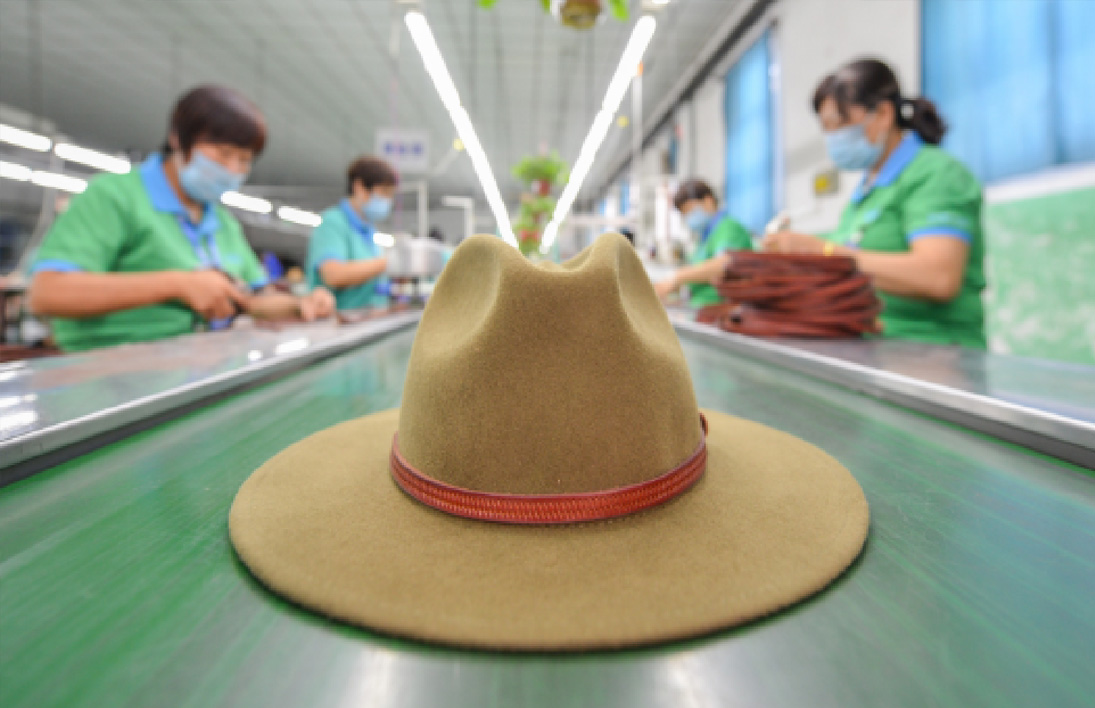
1. Design Confirmation and Specification Approval
The first step in bulk production is confirming the final design and specifications. This includes hat style, size, fabric, color, logo placement, stitching details, and packaging requirements. All details should be clearly documented and approved by both the buyer and the manufacturer to avoid misunderstandings during production.
2. Sample Development and Approval
Before bulk production begins, pre-production samples are made based on the approved specifications. These samples allow buyers to check workmanship, fit, materials, and logo accuracy. Only after the sample is fully approved should the factory proceed to mass production. Skipping or rushing this step often leads to quality issues later.
3. Raw Material Sourcing and Preparation
Once the sample is approved, the factory sources and prepares raw materials such as fabric, sweatbands, interlinings, threads, accessories, and labels. Reliable manufacturers use consistent material suppliers to ensure batch stability. Incoming materials are usually inspected before entering the production line.
4. Cutting and Sewing
After materials are ready, fabric cutting begins according to standardized patterns. Precision at this stage is critical for size accuracy and shape consistency. The cut pieces are then sewn together, forming the main structure of the hat. This step requires skilled workers, especially for complex designs or structured hats.
5. Logo Application and Decoration
Logos and decorative elements are applied during or after sewing, depending on the design. Common techniques include embroidery, printing, woven labels, or patches. Quality control during this step ensures logo placement, color, and stitching meet the approved standards.
6. Shaping, Finishing, and Assembly
The hats are then shaped, steamed, or pressed to achieve the final form. Brims are adjusted, loose threads are trimmed, and accessories are attached. Proper shaping is essential for maintaining the hat’s appearance during shipping and end use.
7. Quality Inspection
Before packing, finished hats undergo quality inspection. This includes checking size, appearance, stitching quality, logo accuracy, and overall workmanship. Some buyers also arrange third-party inspections for added assurance.
8. Packing and Shipment
After passing inspection, hats are packed according to the buyer’s requirements, such as flat packing or shaped packing. Finally, the goods are prepared for shipment under agreed incoterms.
Conclusion
Bulk hat production is a step-by-step process that relies on clear communication, strict quality control, and experienced manufacturing partners. By understanding each stage, B2B buyers can better manage production timelines, minimize risks, and ensure consistent product quality across large orders.
![The Factory is Not Just a Factory! [Hat Bodies Factory]](/uploads/images/20231019/thumb/b8806b03080142b489d53835d8a89abc.png)