For B2B buyers, choosing the right custom hat factory is a strategic decision that directly affects product quality, delivery reliability, and brand reputation. Unlike ready-made products, custom hats involve design development, material selection, logo application, and strict quality control. To reduce risks and build a long-term partnership, buyers should evaluate suppliers from the following key perspectives.
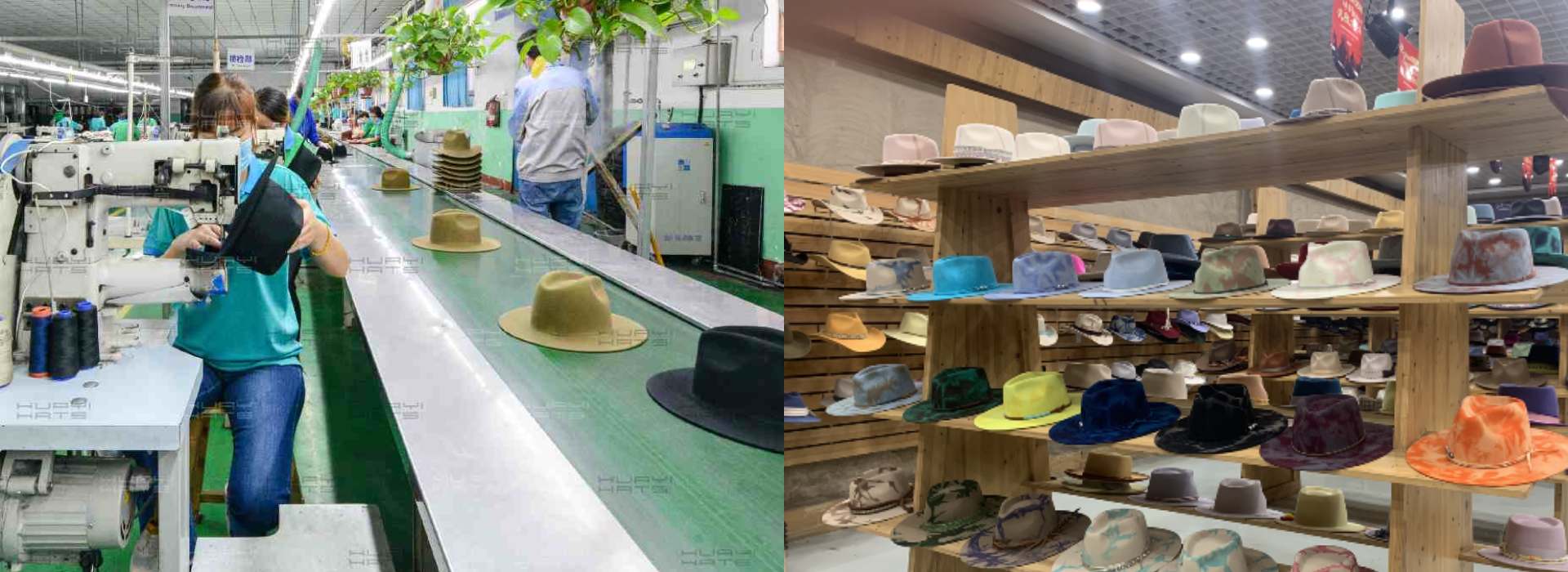
1. Proven Custom Manufacturing Experience
A reliable custom hat factory should have solid OEM/ODM experience, not just basic production capability. Buyers should look for factories that:
Have worked with international brands, wholesalers, or distributors
Understand custom design files, tech packs, and sampling processes
Can provide examples of previous customized projects
Factories with real customization experience are better at identifying potential issues early and offering professional suggestions during product development.
2. Strong Sampling and Development Capability
Sampling is a critical stage in custom hat production. A professional factory should be able to:
Make pre-production samples accurately based on drawings or reference samples
Adjust patterns, materials, and logo techniques according to feedback
Provide clear timelines for sample revisions
Slow or inaccurate sampling often signals weak technical ability and may lead to problems in bulk production.
3. Material Knowledge and Sourcing Ability
Custom hats can involve a wide range of materials, such as cotton, polyester, wool felt, straw, or blended fabrics. A good factory should:
Clearly explain material options, advantages, and cost differences
Source stable, consistent raw materials
Offer alternatives when certain materials are unavailable or exceed budget
For B2B buyers, material consistency across orders is essential for maintaining stable product quality.
4. Quality Control System
Quality control is one of the most important factors for B2B cooperation. Buyers should confirm whether the factory has:
Raw material inspection before production
In-line quality checks during sewing, embroidery, or printing
Final inspection before packing and shipment
A reliable custom hat factory should also accept third-party inspections and have a clear policy for handling defective products.
5. Production Capacity and Lead Time Stability
Buyers should evaluate whether the factory’s production capacity matches their order volume and growth plans. Key points include:
Monthly or daily output capacity
Standard production lead times
Ability to handle peak seasons or repeat orders
Overpromising capacity is a common risk. A trustworthy factory provides realistic timelines and communicates early if delays occur.
6. Customization Options and Technical Range
Not all factories can handle complex customization. Buyers should confirm the factory’s capabilities in:
Embroidery (flat, 3D, multi-color)
Printing techniques
Woven labels, leather patches, metal accessories
Custom packaging solutions
A factory with broader technical capabilities can support product upgrades and brand differentiation in the future.
7. Transparent Pricing and Clear Terms
Professional factories provide clear and detailed quotations, including:
Unit price
Sample cost
Tooling or mold fees (if applicable)
Payment terms and incoterms
Extremely low prices often indicate shortcuts in materials or workmanship. For B2B buyers, long-term stability is usually more valuable than short-term savings.
8. Communication and Responsiveness
Effective communication is essential in custom manufacturing. A reliable factory should:
Respond promptly and clearly
Confirm specifications in writing
Provide regular updates during production
Good communication reduces misunderstandings and helps prevent costly production errors.
9. Compliance and Export Experience
For international markets, factories should be familiar with export standards and compliance requirements. Buyers should check:
Experience exporting to target regions (EU, North America, South America, etc.)
Understanding of labeling, packaging, and material regulations
This is especially important for buyers selling into regulated markets.
10. Willingness to Start with Trial Orders
A professional custom hat factory understands that B2B buyers need to manage risk. Willingness to support:
Trial orders
Small initial quantities
Long-term cooperation plans
is often a strong sign of a serious and reliable supplier.
Conclusion
For B2B buyers, choosing a custom hat factory is not just about production—it is about partnership. The right factory combines technical expertise, stable quality, transparent communication, and long-term cooperation mindset. By carefully evaluating these factors, buyers can secure a reliable manufacturing partner that supports brand growth and business scalability.