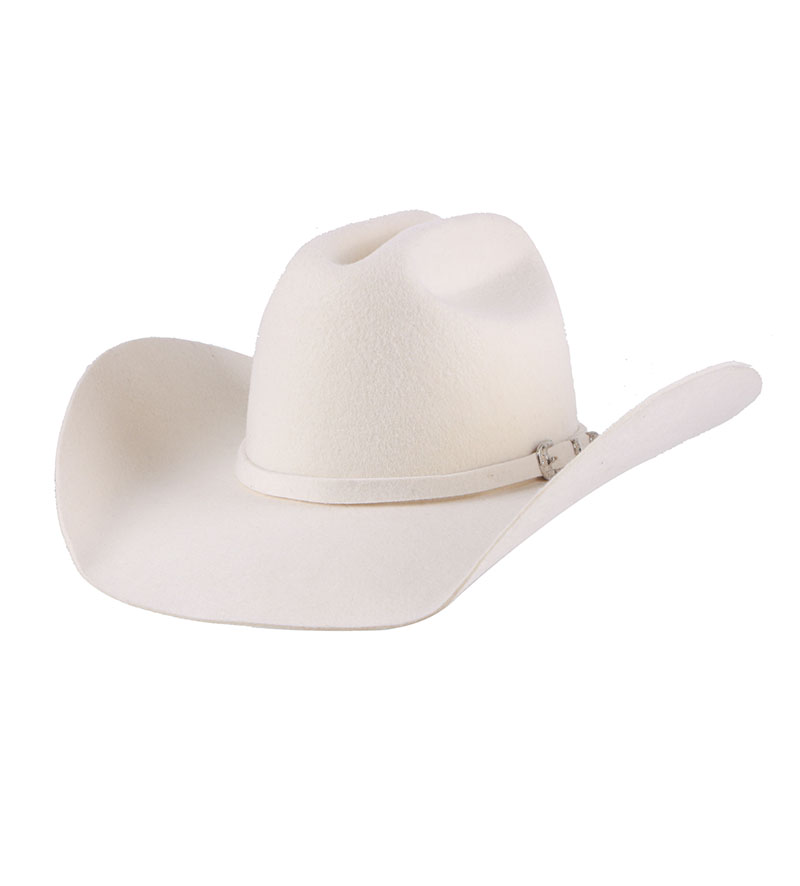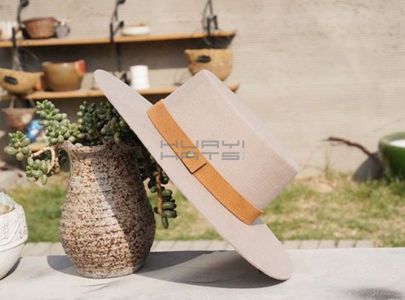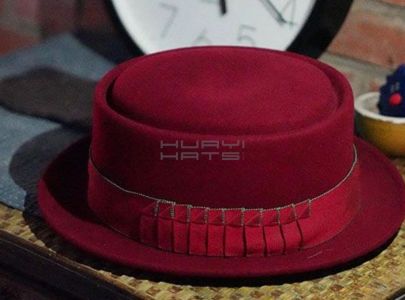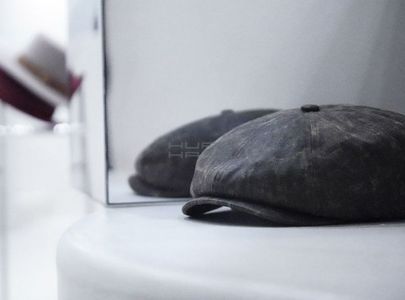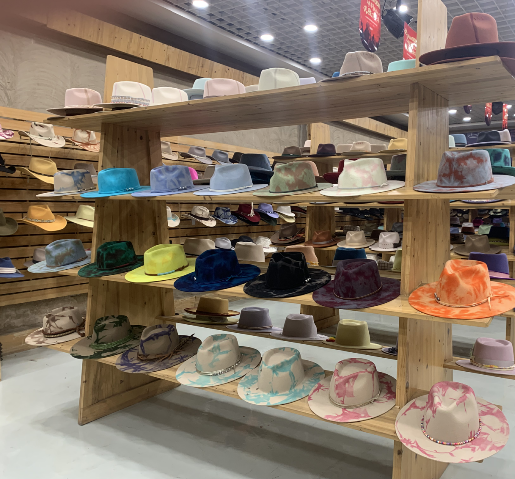
ODM (Original Design Manufacturer) is a popular production model in the hat industry, especially for B2B buyers who want professionally designed products without developing designs from scratch. In the ODM process, the manufacturer is responsible for product design and development, while the buyer focuses on branding, marketing, and sales. Below is a step-by-step explanation of how the ODM process works in hat manufacturing.
1. Market Research and Product Design
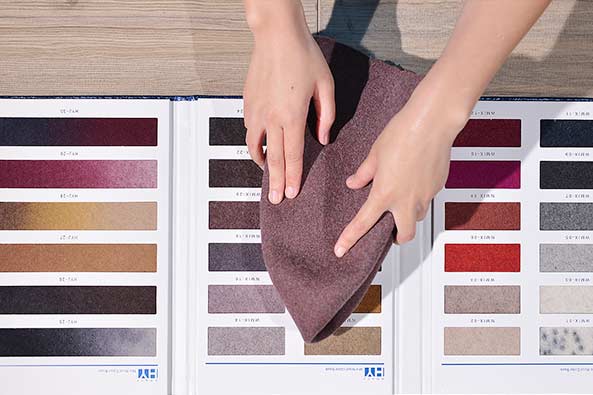
The ODM process begins with market research conducted by the manufacturer. Based on fashion trends, seasonal demand, and buyer feedback, the factory develops new hat designs. This includes selecting hat styles, fabrics, colors, and construction methods. Manufacturers with strong ODM capability usually have experienced design and development teams that understand different market preferences.
2. Design Presentation and Selection
Once the designs are ready, the manufacturer presents them to buyers through catalogs, digital lookbooks, or physical samples. Buyers can choose existing designs that fit their market needs. At this stage, buyers may request minor adjustments such as color changes, logo placement, or small detail modifications.
3. Customization and Branding
After a design is selected, the buyer’s branding is applied. This typically includes:
Logo embroidery or printing
Custom labels, hangtags, and packaging
Color adjustments to match brand identity
Although the core design belongs to the manufacturer, branding allows buyers to differentiate the product in the market.
4. Sample Development and Approval
The factory produces ODM samples based on the selected design and branding requirements. Buyers review the samples to check quality, fit, logo accuracy, and overall appearance. Any necessary revisions are made before final approval. Once the sample is approved, it becomes the reference standard for bulk production.
5. Costing, MOQ, and Production Planning
After sample approval, the manufacturer confirms pricing, minimum order quantity (MOQ), lead time, and payment terms. ODM models usually offer:
Lower development costs compared to OEM
Faster production timelines
More flexible MOQs
This makes ODM attractive for buyers looking for speed and efficiency.
6. Bulk Production
With all details confirmed, bulk production begins. The factory manages material sourcing, cutting, sewing, logo application, shaping, and finishing. In-process quality control is conducted to ensure consistency with the approved sample.
7. Quality Inspection
Before shipment, finished hats undergo final inspection. This includes checking workmanship, sizing, logo placement, and packaging. Some buyers also arrange third-party inspections to ensure compliance with their quality standards.
8. Packing and Shipment
After passing inspection, the hats are packed according to the buyer’s requirements and prepared for shipment under agreed incoterms such as FOB or CIF.
Conclusion
The ODM process in hat manufacturing offers a fast, cost-effective solution for B2B buyers who want professionally designed products with custom branding. By leveraging the manufacturer’s design expertise and production resources, buyers can shorten development cycles, reduce risk, and bring products to market more efficiently.